
How Mediation Can Help Resolve Legal Disputes
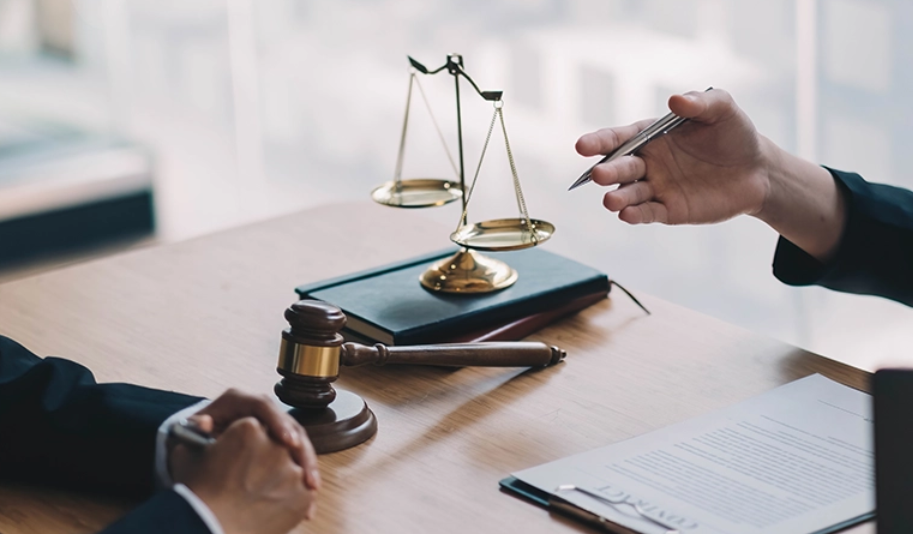
Legal disagreements do not always need to end with a courtroom trial. Depending on the type of dispute and applicable law, mediation may provide another way for people or organizations to attempt to reach an agreement.
Mediation is generally a structured process in which a neutral third party helps disputing participants communicate and explore possible solutions. The mediator does not typically act as a judge deciding who wins.
Understanding the Mediator’s Role
A mediator facilitates communication between the participants. The mediator may help identify the issues in dispute, clarify misunderstandings, and encourage discussion of possible solutions.
The mediator’s role differs from that of a judge or arbitrator. The exact rules and level of confidentiality can depend on the applicable mediation process and jurisdiction.
Participation Is Often More Flexible
Court proceedings generally follow formal procedural rules and schedules. Mediation can sometimes provide greater flexibility in how discussions are organized.
This flexibility may allow participants to focus on practical concerns that might be harder to address through a strictly legal remedy.
Many Types of Disputes May Be Suitable
Mediation can be used in various contexts, depending on local law and the willingness of the parties. Examples can include business disagreements, contract disputes, property matters, workplace conflicts, family disputes, and certain community disagreements.
Some matters may be unsuitable for mediation or subject to specific legal requirements, so professional advice may be appropriate.
See also: penjiv com
Participants Can Explore Creative Solutions
A court may have limited types of remedies available under applicable law. In mediation, participants can sometimes discuss solutions that go beyond simply seeking a monetary award.
For example, a business disagreement might be resolved through revised delivery arrangements, future cooperation, payment plans, or other mutually acceptable terms.
Preparation Still Matters
Mediation should not necessarily be approached casually. Participants may benefit from organizing contracts, correspondence, invoices, photographs, records, and other relevant information before the session.
Understanding one’s objectives and identifying areas where compromise may be possible can also make discussions more productive.
Legal Representation May Be Available
Depending on the type of mediation and applicable rules, participants may be permitted or encouraged to obtain legal advice before or during the process.
A lawyer can help explain legal rights, assess proposed settlement terms, and identify potential consequences of an agreement.
What Happens If No Agreement Is Reached?
Mediation does not guarantee settlement. If participants cannot reach an acceptable agreement, other legal options may remain available depending on the circumstances.
The fact that mediation was attempted does not necessarily mean the underlying dispute has been resolved.
Agreements Should Be Documented
When participants reach a settlement, the terms should be recorded appropriately. Depending on the jurisdiction and type of dispute, the agreement may need signatures, court approval, or additional formal steps to become enforceable.
Participants should understand exactly what they are agreeing to before signing.
A Practical Approach to Conflict
Mediation can provide a structured opportunity to resolve disputes without relying exclusively on adversarial court proceedings. It allows participants to communicate directly, consider practical solutions, and potentially reach an agreement that addresses their respective interests.
Whether mediation is appropriate depends on the dispute, the parties, the applicable law, and the circumstances. Anyone facing a significant legal disagreement should consider obtaining advice from a qualified professional before choosing a dispute-resolution strategy.
One Comment