
Food Travel: Discovering Destinations Through Local Cuisine
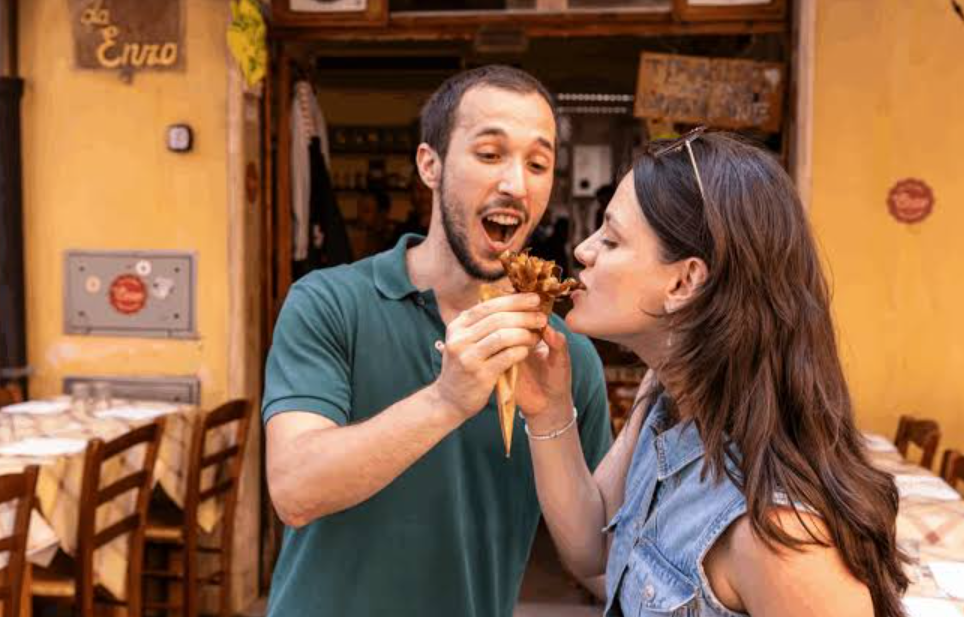
Why Food Is an Important Part of Travel
Food can reveal a great deal about a destination’s history and culture. Ingredients, cooking methods, meal traditions, and dining customs often develop over generations.
For many travelers, trying local food becomes one of the most memorable parts of a journey. A traditional meal can provide a connection to the destination that sightseeing alone cannot offer.
Food travel does not necessarily require expensive restaurants. Street vendors, neighborhood cafés, bakeries, and local markets can provide authentic experiences.
Exploring Local Markets
Markets are excellent places to understand regional food culture. Visitors can observe local ingredients, cooking techniques, and daily shopping habits.
Markets also offer opportunities to try fresh snacks and regional specialties. Travelers should consider asking vendors about unfamiliar foods, ingredients, and preparation methods.
Photographs can help preserve the experience, but travelers should remain respectful when photographing vendors or customers.
See also: penjiv com
Trying Traditional Dishes
A destination may have dozens of foods that are difficult to find elsewhere. Travelers can research traditional dishes before arrival and create a short list of foods they would like to try.
However, leaving room for recommendations can lead to unexpected discoveries. Restaurant staff, local residents, and market vendors may introduce visitors to dishes that are not widely mentioned in tourist guides.
Trying unfamiliar foods can also make travelers more open to different culinary traditions.
Learning the Story Behind Food
Every traditional dish has a story. Some recipes may have developed because of local agriculture, climate, trade routes, migration, or historical events.
Learning about these connections makes eating more meaningful. A simple dish can become a window into the history of a region.
Food tours, cooking classes, and visits to farms or food producers can provide additional insight for travelers who want to understand cuisine beyond simply tasting it.
Eating Responsibly While Traveling
Food travelers should also consider hygiene, allergies, dietary requirements, and personal tolerance. Travelers with specific dietary needs should learn useful local phrases explaining their requirements.
Supporting small restaurants and local food producers can help communities benefit directly from tourism.
Most importantly, travelers should approach unfamiliar cuisine with curiosity rather than judgment. Different cultures have different tastes, traditions, and dining habits.
Food travel turns meals into part of the journey itself. By visiting markets, trying traditional dishes, learning about culinary history, and supporting local businesses, travelers can discover destinations through one of their most personal and enjoyable features: food.