
A Teacher’s Winter Wardrobe: Classroom to Playground Duty
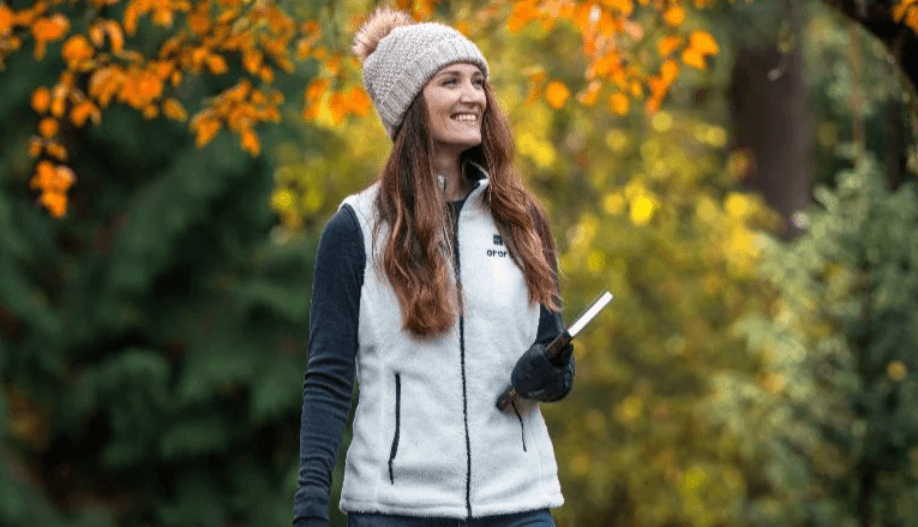
A teacher’s winter day is a series of temperature changes. The walk or drive in is cold, the classroom may be overheated by radiators or freezing near old windows, the corridor is drafty, and playground or bus duty means standing outside in whatever the weather is doing. Add the expectation to look professional in front of thirty children and their parents, and getting dressed becomes a small daily puzzle.
This guide offers a practical, budget-conscious system for teachers and school staff.
Dress for Three Zones
Think of your day as three environments: outdoors, the classroom, and the in-between spaces such as halls and staff rooms. The most common mistake is dressing for only one of them.
- Outdoors: cold, wind, and damp for short but regular stretches.
- Classroom: warm when full of people, but often uneven.
- Corridors and staff rooms: cooler, and usually where you stand still for conversations.
The aim is a classroom outfit that works on its own, plus layers you can add quickly when you step outside or into a cold corner.
Build the Classroom Outfit First
Choose a base you are comfortable in for hours: easy trousers or a skirt, and a shirt or fine-knit top that moves well when you bend to help a child. Then add one adjustable layer, because classrooms are rarely at a constant temperature.
A knit layer is ideal because it looks tidy and can be changed in seconds. A Cardigans sweater can be buttoned for a draughty corridor, opened when the radiator is blasting, and hung on a chair back when you need freedom to write on the board. Choose a style with pockets large enough for a pen and a whiteboard marker, and check the care label, since classroom clothes meet chalk, paint, and glue more often than most.
See also: How to Create a More Intentional Digital Lifestyle
Pick Colors That Forgive
A mid-tone neutral hides marks better than pale or very dark shades. Keep a small palette so every layer works with every other.
Choose an Outer Layer for Duty Days
Playground and bus duty call for warmth you can put on fast, without bulk that makes you feel clumsy. Padded outerwear gives a lot of warmth for its weight and is easy to carry to the staff room.
Schools and multi-academy trusts that outfit staff teams, or that supply branded layers for duty rotas, sometimes look at a wholesale puffer jacket supply so everyone on duty is recognizable and sizes can be restocked consistently. If you are buying for yourself, try the jacket over your usual knit and make sure you can raise your arms and bend comfortably. Check product details for care and the conditions it is intended for, and do not assume it will suit every kind of weather.
Footwear and Accessories
Teachers are on their feet for most of the day, so shoes matter as much as jackets.
- Keep a spare pair of shoes at school, so you can change out of wet ones.
- Choose supportive soles if you spend long periods standing.
- Carry gloves and a hat in your coat pocket so duty days never catch you out.
- Keep a small scarf that you can tuck into a bag indoors.
Make Duty Days Easier
Where you can influence school routine, small changes help staff comfort. Rotate outdoor duty so the same person is not out in the coldest spot every day. Provide a hook or rack near the door for wet coats. Keep a box of spare gloves and hats in the staff room for those who forget.
Keep a Compact Wardrobe
A teaching wardrobe does not need to be large. Four or five knits and tops, two or three pairs of trousers or skirts, one reliable outer layer, and a spare pair of shoes can produce a week of outfits. Rotate items so washing keeps pace with the days. When you buy something new, ask whether it works with at least three things you already own.
Think About Practical Details
- Sleeves: avoid wide or dangling cuffs that catch on equipment or dip into paint.
- Necklines: choose something that stays in place when you bend over a desk.
- Fabric: look for items that survive frequent washing without losing shape.
- Layers for trips: keep a spare jacket at school for unexpected outdoor activities or fire drills.
Final Thoughts
A teacher’s winter wardrobe works when it handles three environments with a handful of adaptable pieces. Build a classroom outfit that stands alone, add a knit layer for the unpredictable temperature of school buildings, and keep a warm outer layer ready for duty. Comfortable teachers are calmer teachers, and calm is contagious in a classroom.