
What Makes High-Quality TMT Bars Essential for Infrastructure?
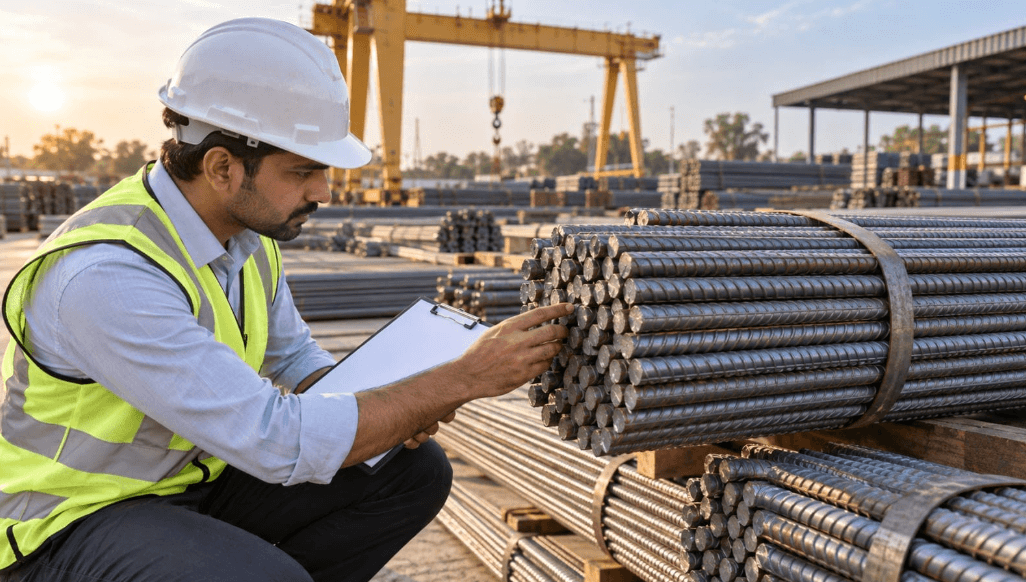
Infrastructure depends on construction materials that can withstand heavy loads, environmental exposure, and long-term structural demands. From bridges and highways to residential buildings and industrial facilities, every project requires reliable reinforcement to maintain strength and stability. OM Sai TMT Bars play an important role in reinforced concrete construction by helping structures resist tensile forces and bending stresses.
Understanding their quality, strength, flexibility, and durability helps builders, engineers, and contractors make informed decisions when selecting reinforcement materials for modern infrastructure development.
1. Understanding the Role of TMT Bars
Thermo-Mechanically Treated (TMT) bars are steel reinforcement products commonly used with concrete. Concrete performs strongly under compression but has limited tensile strength. Steel reinforcement helps address this limitation by resisting tension and supporting concrete members when they experience bending and other structural stresses.
TMT bars reinforce foundations, columns, beams, slabs, bridges, and industrial structures. Engineers consider steel grade, diameter, spacing, design loads, and applicable standards before approving materials.
2. High Tensile Strength Supports Structural Stability
Tensile strength is an important property of reinforcement. Infrastructure experiences forces from its own weight, occupants, vehicles, wind, and equipment. Steel with suitable mechanical properties helps reinforced concrete members manage these demands.
In beams and slabs, reinforcement resists tensile stresses caused by bending. In columns and foundations, it forms part of the system that transfers forces through the structure. Engineers rely on verified strength values in structural calculations.
Grade selection must follow the design and relevant standards. A higher grade is not automatically suitable. Buyers should check markings and test reports to confirm that delivered bars match specifications.
See also: Financial Planning Habits That Can Strengthen a Growing Business
3. Ductility Helps Structures Respond to Movement
Strength alone does not determine reinforcement quality. Ductility describes a material’s ability to deform before fracture. It is important when structures experience movement, vibration, wind, or seismic forces.
In earthquake-prone areas, structures are designed to accommodate movement through controlled deformation. Ductile reinforcement can contribute when combined with correct design and detailing. Engineers assess elongation and bend performance against project requirements.
No reinforcement product can replace seismic design, proper connections, or skilled construction. Material selection must work alongside approved drawings, applicable building codes, and careful installation.
4. Bonding Between Steel and Concrete
Reinforced concrete relies on effective interaction between steel and concrete. TMT bars have surface ribs that create mechanical interlock with the surrounding concrete. This helps transfer stresses between the materials so they can act together.
Bond performance also depends on concrete quality, compaction, curing, spacing, cover, and placement. Contaminants should be removed before installation. Contractors must follow specified anchorage and lap lengths.
5. Manufacturing Processes and Quality Testing
The manufacturing process directly influences TMT bar quality. Thermo-mechanical treatment involves hot rolling, rapid cooling, and self-tempering, creating a harder outer layer and a ductile core. Manufacturers monitor raw materials, chemical composition, cooling conditions, dimensions, and finished-product properties to maintain consistency. Testing and traceability help verify compliance with applicable standards.
When evaluating an OM Sai TMT manufacturer in India, buyers should check quality certifications, batch records, product specifications, and supply capabilities. These factors help engineers and procurement teams select suitable reinforcement for infrastructure projects with greater confidence.
6. Corrosion Protection and Long-Term Durability
Reinforcement inside concrete receives protection from the surrounding material, but exposure conditions still matter. Moisture, chlorides, carbonation, cracks, and insufficient concrete cover can contribute to corrosion. As rust expands, it can cause cracking and concrete spalling, potentially affecting durability and structural performance.
Good construction practice reduces these risks. Provide specified concrete cover, choose suitable mixes, compact and cure concrete properly, and manage drainage. Store and inspect reinforcement carefully. Assess corrosion-resistance claims against documentation and project conditions.
7. Bendability and Workability on Site
Reinforcement is cut, bent, and positioned to match structural drawings. Suitable bend properties help bars withstand approved bending operations without cracking. Consistent dimensions make it easier for workers to prepare reinforcement cages and place steel accurately.
Contractors should use suitable equipment and follow approved bending schedules. Welding requires permission in the steel specification and appropriate procedures. Careful handling and storage prevent damage, contamination, and mix-ups.
8. How to Select TMT Bars for Infrastructure Projects
Select reinforcement by reviewing technical and practical factors, not price alone.
Match the Grade to the Design
Confirm that the grade and diameter meet the structural engineer’s drawings, calculations, and project specifications. Do not substitute materials without technical approval.
Review Certificates and Test Reports
Check batch details and relevant mechanical test results. Confirm that the documents relate to the material being delivered and that applicable standards are met.
Consider Site and Environmental Conditions
Account for structural loads, soil conditions, exposure to moisture or chemicals, seismic requirements, and the intended service life. The engineer should determine the appropriate reinforcement and protective measures.
Check Availability and Delivery
Reliable supply of required sizes and quantities helps prevent interruptions. Align delivery with construction stages and storage capacity.
Inspect Before Installation
Inspect markings, dimensions, and documents upon delivery. Organise bars by grade and size, and report discrepancies promptly. Maintain purchase and installation records to ensure batch traceability, simplify inspections, and verify compliance with approved project specifications.
9. Quality Depends on Every Stage of Construction
Manufacturers control production and testing. Engineers specify properties and detailing, while contractors store and install materials correctly. Inspectors verify records and arrange checks.
Even high-quality steel cannot compensate for poor concrete, incorrect cover, inadequate anchorage, or careless workmanship. Responsible procurement and site supervision connect material specifications with the structure that is ultimately built.
Conclusion
High-quality TMT reinforcement plays an important role in infrastructure by providing suitable strength, ductility, bonding, and durability. Selecting the right grade, checking quality certifications, and ensuring proper manufacturing standards help support reliable construction. Combined with sound engineering, accurate detailing, and skilled installation, OM Sai TMT Bars can contribute to dependable structures designed to meet modern infrastructure requirements and withstand demanding conditions over time.
Supporting India’s evolving construction and infrastructure sector with reliable steel solutions, Sunvik Steels Pvt. Ltd. is an integrated steel manufacturer offering TMT bars, wire rod products, fly ash bricks and blocks, sponge iron, and MS billets. Their manufacturing capabilities combine established production processes with Thermex and green technologies. With a focus on product quality, testing, and responsible manufacturing, the company serves construction, infrastructure, and industrial requirements through its diverse steel portfolio for varied project needs.